

New to quad line? Read it through, or jump to what you need.
Trying it out
Djuice
Simpler, more “analog” controls, less wing flip and a little more built-in speed.
Buying right the first time
Djinn
Smoother and more responsive from the first flight. Exactly what we fly ourselves.
Same design idea · two ways to fly
Both are just as easy to learn on. The Djinn is no harder to fly, so nobody needs to “work up” to one. The difference is the quality of the flight, and it shows up quickly, like a budget drone next to a high-end one.
Still unsure? Ask us. We answer every message.
Step 1 · Buyer type
Start here: what kind of buyer are you?
This one question settles most of the rest.

Trying it out
You want to see if quad line is for you, at a lower price.
Go with the Djuice. Two models, simple choices, and one of the best kites at its price. Plenty of fliers start here and move up to a Djinn later.
Build your Djuice →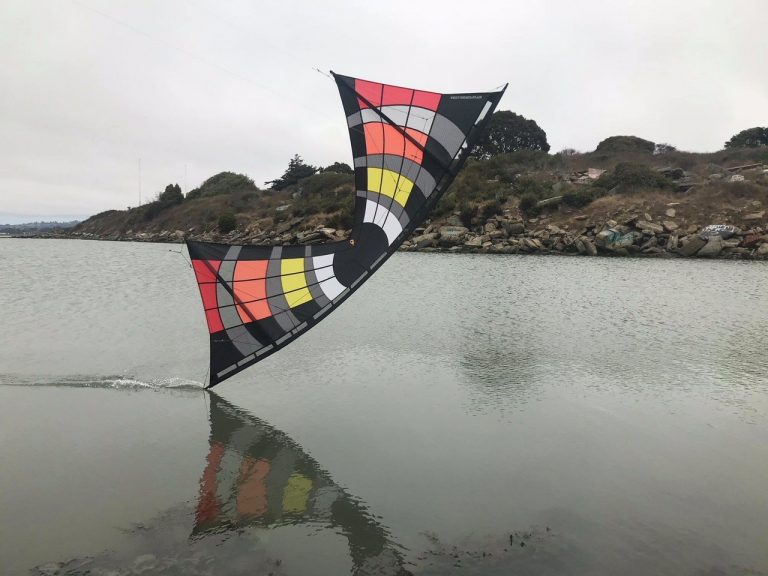
Buying right the first time
You’ve watched the videos, done your homework, and you’d rather buy once.
Go with the Djinn. It’s exactly what we fly ourselves, and anyone can fly it from day one.
Build your Djinn →Step 2 · Djinn or Djuice
Djinn or Djuice: what’s the difference?
Same design idea. The Djuice is the budget version, with fewer choices and a lower price.
Simple choices, big value
Djuice
2 models · from $210
- A friendly, “analog” feel. A bridle tuned to be a little more “analog”, with less wing flip and a little more built-in speed, shaped by over 20 years of John’s teaching.
- Two models, 3–25 mph. ST for 3–12 mph and VT for 7–25 mph, on Dynamic spars.
- Snag-free and easy to live with. No exposed knots or end caps on the leading edge, and the bridle’s wear points are simple to replace.
- Ready to fly your way. Add our Dyneema lines and handles set, or step up to Pro Handles and LaserPro Gold.
Made for precision
Djinn
6 models · from $410
- Crisp, responsive control. Our Sync Bridle and Mystic spars, which get stiffer as the models go up, so every input reaches the kite right away.
- A model for every wind. Six models, from the ultralight UL for the lightest air to the HV for up to 45 mph.
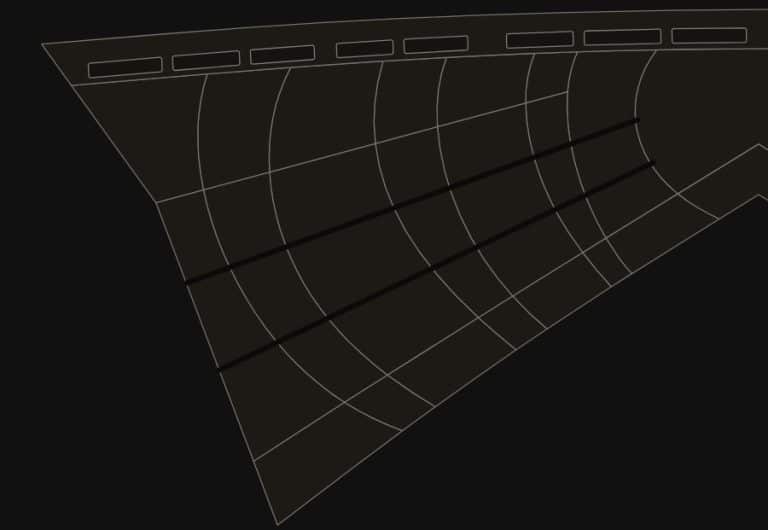
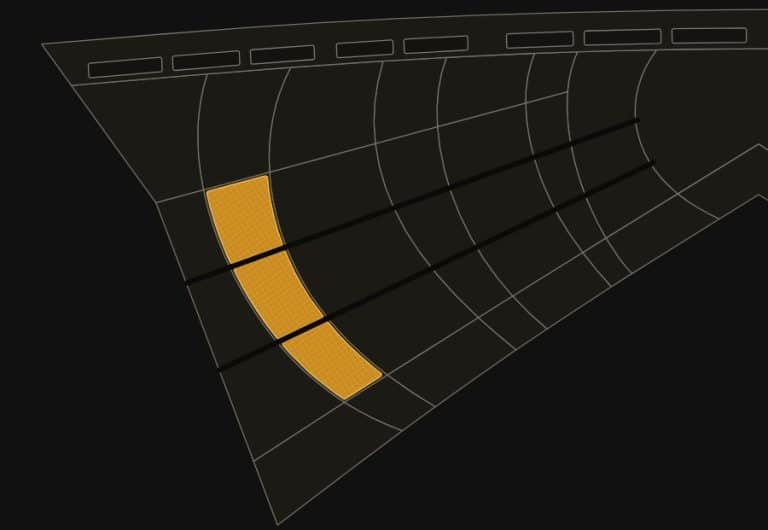
- A sail that holds its shape. Icarex PC-31 polyester, double-stitched trailing edges and a latticed panel layout.
- Exactly what we fly ourselves. Pair it with LaserPro Gold Spectra lines and Pro Handles for the full feel.
Step 3 · Venting level
Which venting level?
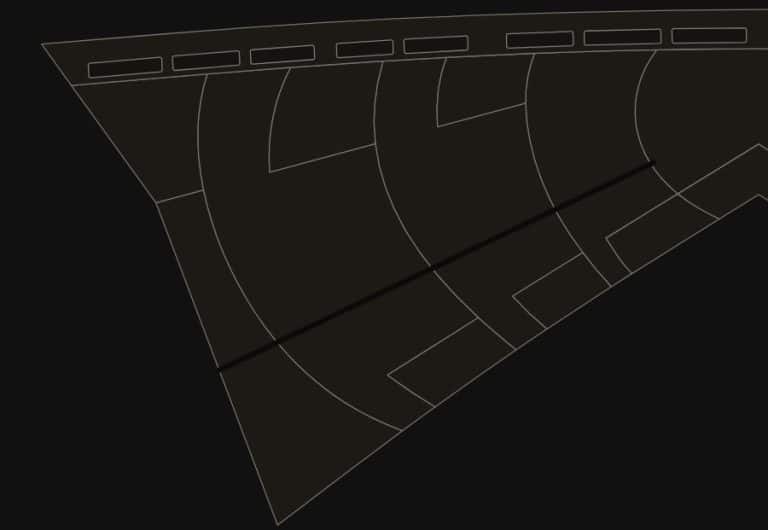
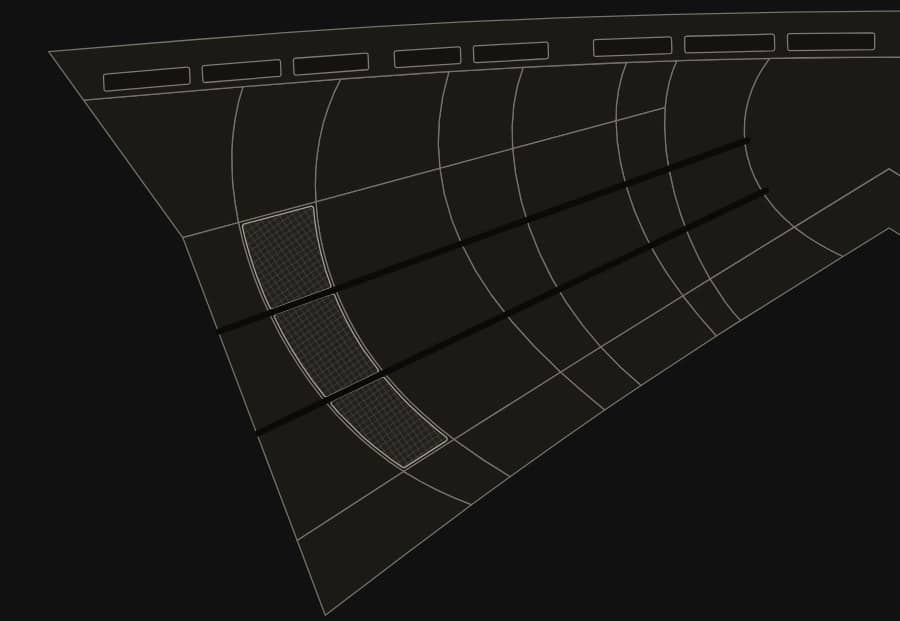
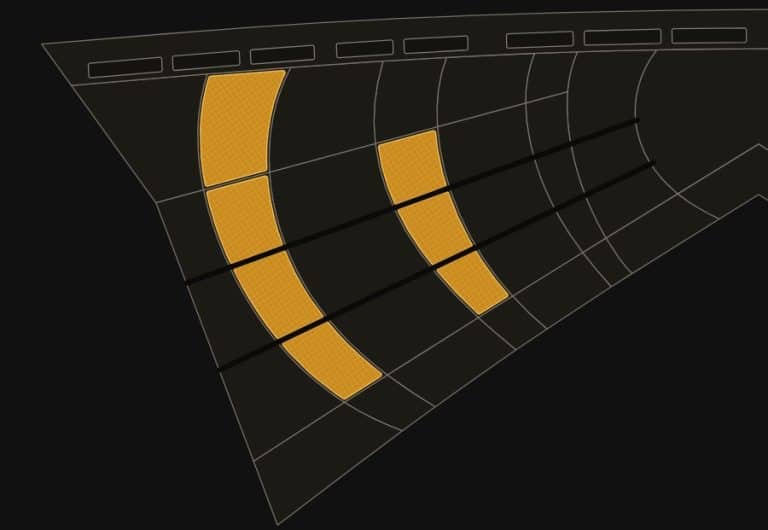
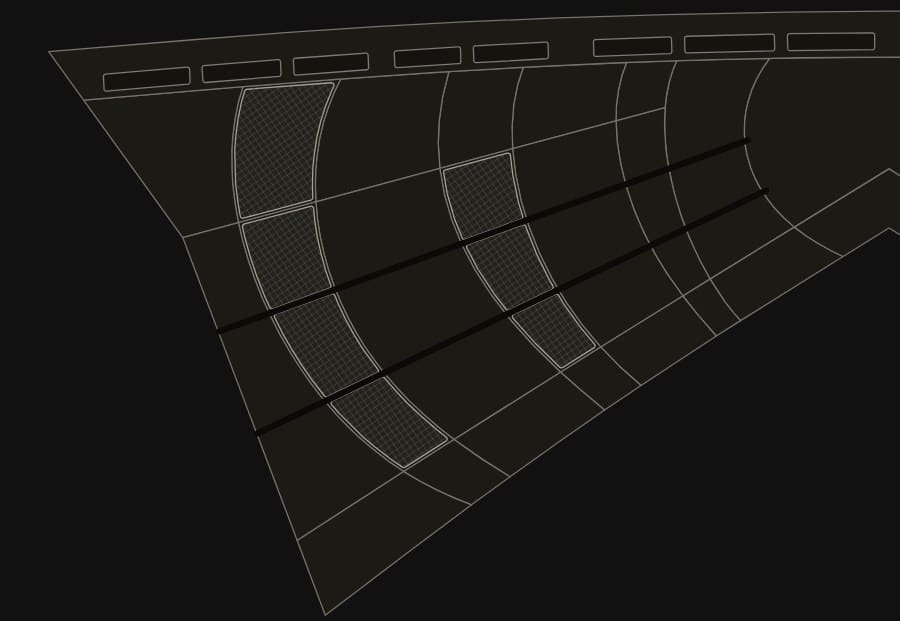
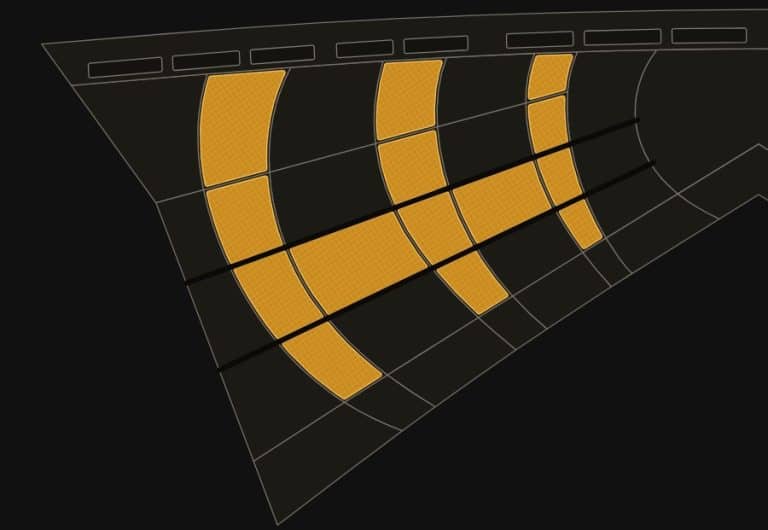
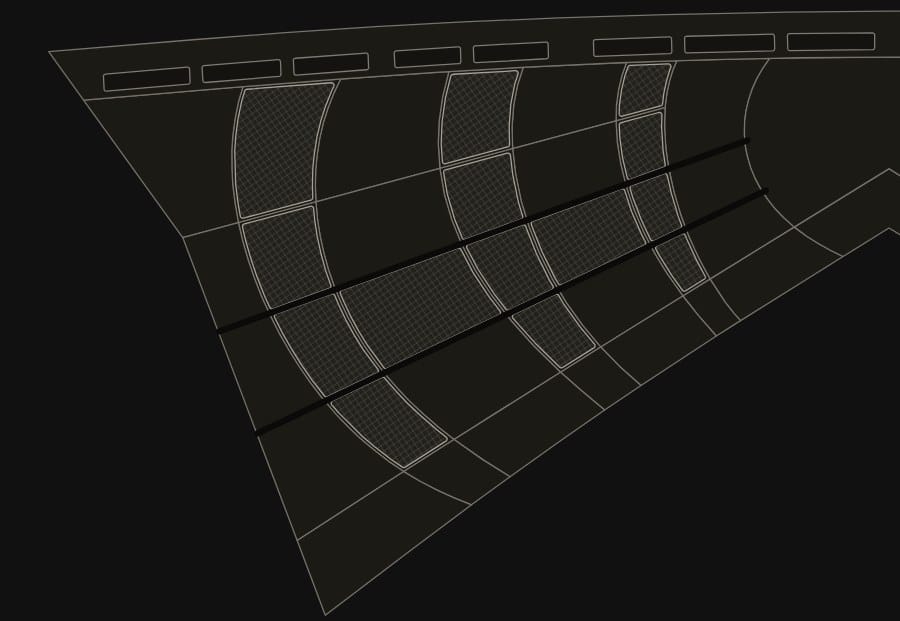
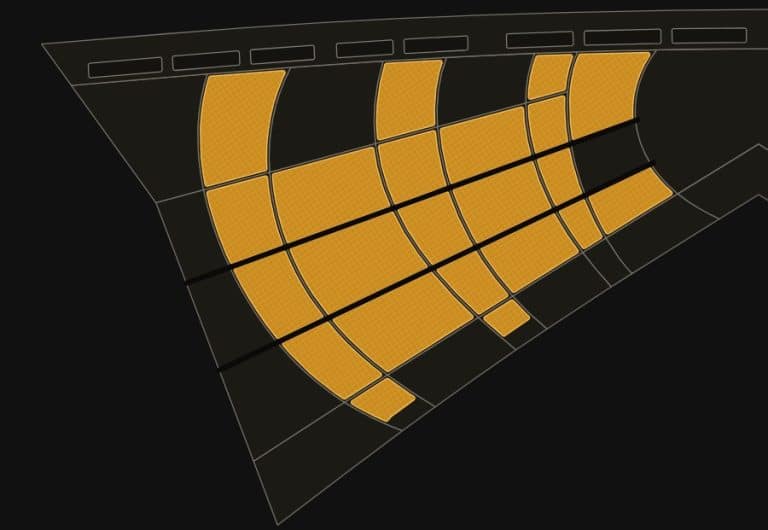
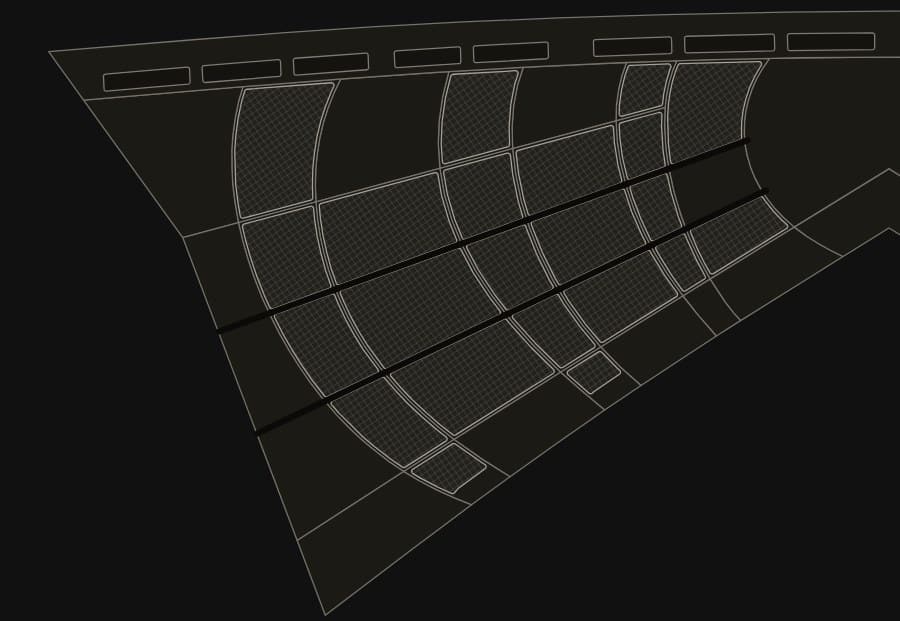
Every Djinn shares the same design. What changes from model to model is the amount of venting and a frame to match, each built for a different wind range.
Lets some wind pass through the sail, instead of all of it pushing on the kite.
Keeps the pull about the same as the wind rises. An ST in too much wind pulls hard. An MV in that same wind feels like an ST in its sweet spot.
Keeps the feel familiar. Each Djinn, in its own wind range, flies almost the same as the others do in theirs.
From no vents to mostly vents
Slide to your usual wind and see which Djinns fit.
In range: ST · MV · VT
Most first-time buyers
- Two kites: ST + VT
- One kite, average wind: MV
- One kite, often windy: VT
Ranges are approximate. Skill stretches both ends.
Think of the models like golf clubs. A good player can play a round with two clubs, but the right club for each shot makes the game better. Many fliers start with one or two Djinns and add more as they go.
Too little venting for the wind
The kite pulls hard and runs fast.
The frame takes more load than it’s built for, so breaks get more likely.
The pressure pushes the sail out of its ideal shape, so the kite turns over-responsive and harder to control, especially for newer fliers.
Too much venting for the wind
The kite feels sluggish, and there may not be enough pressure to fill the sail into its proper shape.
Where the vents go
The vents sit wherever works best across the face of the sail, because every part of the sail behaves differently under pressure.
Trailing edge: stays solid, so it keeps its grip for turns, spins and responsiveness.
Leading edge: keeps loading the wind as you fly forward, and holds it in reverse.
On average, the Djinn uses about 20% less venting than many traditional quad kites.
Why the XT and HV feel different
MV and VT: a tighter mesh.
XT and HV: more vent area and a more open mesh, so far more wind passes through. They run a little slower on purpose, to stay manageable in strong wind.
The HV has a natural top speed that keeps its pace very steady, which casual fliers and team fliers alike appreciate.
A wider range than you’d expect
Pound for pound, our vented models usually cover a wider real-world wind range than similar models from other brands. That comes from the whole design working together: the Sync Bridle, where the vents go, and the frame.
Looking for a kite that flies in no wind?
Below about 3 mph, very few kites fly themselves while you stand still. Making a kite that light gives up strength and performance.
In light wind, good technique (line tension, timing, using your space) does far more than a lighter kite, and you can learn it on any Djinn.
When you’re ready for the lightest air, ask us about the Djinn UL.
Step 4 · Your wind
Know your wind
Wind changes from place to place and day to day, so no single kite fits every day. With one kite, the goal is a good educated guess.
Read it by eye. Use the scale below on your usual flying days.
Check a forecast. A 10-day forecast helps, but wind shifts with the weather and the seasons.
Look upwind. Trees, hills and buildings break up the wind. It stays rough downwind for about seven times the obstacle’s height. Behind 50 ft trees, that’s about 350 ft.
Ocean wind is cleanest. Wind coming straight off the water is smooth and steady. Inland wind is often gustier.
Read the wind by eye
The Beaufort scale, in mph, with the Djinn that usually fits
- 0Calmunder 1 mphSmoke rises straight up. Flags hang still.Too light for outdoor flying
- 1Light air1–3 mphSmoke drifts. Flags barely stir.Skill zone: technique beats any kite
- 2Light breeze4–7 mphYou feel it on your face. Leaves rustle.ST
- 3Gentle breeze8–12 mphLeaves and twigs never stop moving. Light flags stretch out.ST · MV
- 4Moderate breeze13–18 mphDust and loose paper lift. Small branches move.MV · VT
- 5Fresh breeze19–24 mphSmall leafy trees sway. Whitecaps on the water.VT · XT
- 6Strong breeze25–31 mphBig branches move. Wires whistle. Umbrellas fight back.XT · HV
- 7Near gale32–38 mphWhole trees sway. Walking into it takes effort.XT · HV
- 8Gale39–46 mphTwigs snap off trees. Hard to stand still.HV
Djinn wind ranges overlap, so most winds suit more than one model. Gusty or blocked wind is rougher than the number suggests.
Step 5 · What else you need
What else you’ll need
Each kite comes with its frame, bridle and sleeve. Lines and handles are sold separately, the way a bike shop sells the helmet on its own, so you get the right parts for you.
Lines
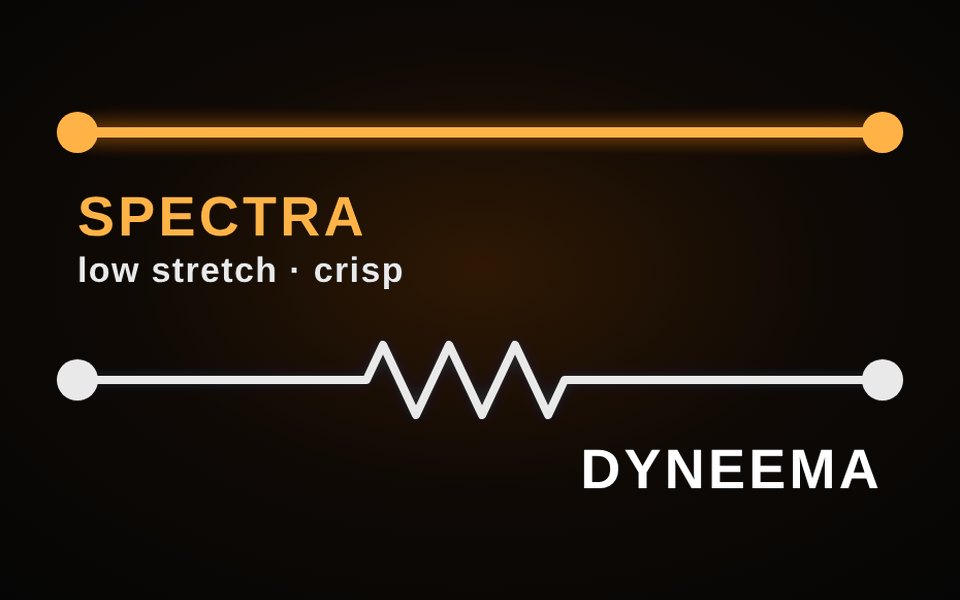
90 lb is the standard nearly everywhere. Spectra (our LaserPro Gold) barely stretches, so the kite answers right away. Dyneema has a touch more stretch and a softer feel.
- 30 ft for close quarters
- 75 ft a great first length
- 100 ft for more room
- 120 ft for flying with a team
Handles
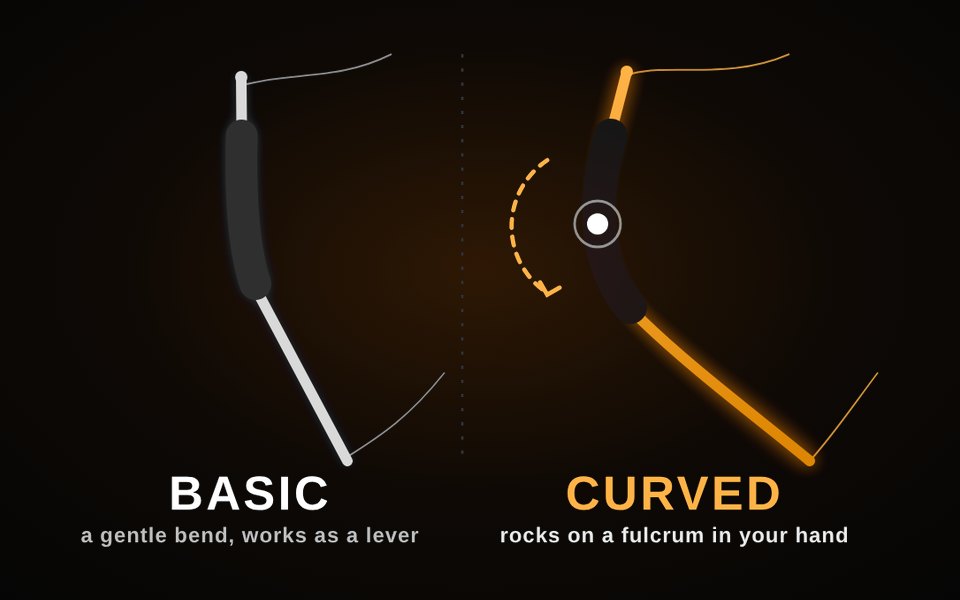
Basic handles have a gentle bend and work like simple levers: push one side, pull the other.
Curved Pro Handles rock on a fulcrum in your hand, so small wrist movements turn into smooth, precise control.
Pro Handles for the Djinn. For the Djuice, our lines and handles set, or upgrade to Pro Handles.
Spares
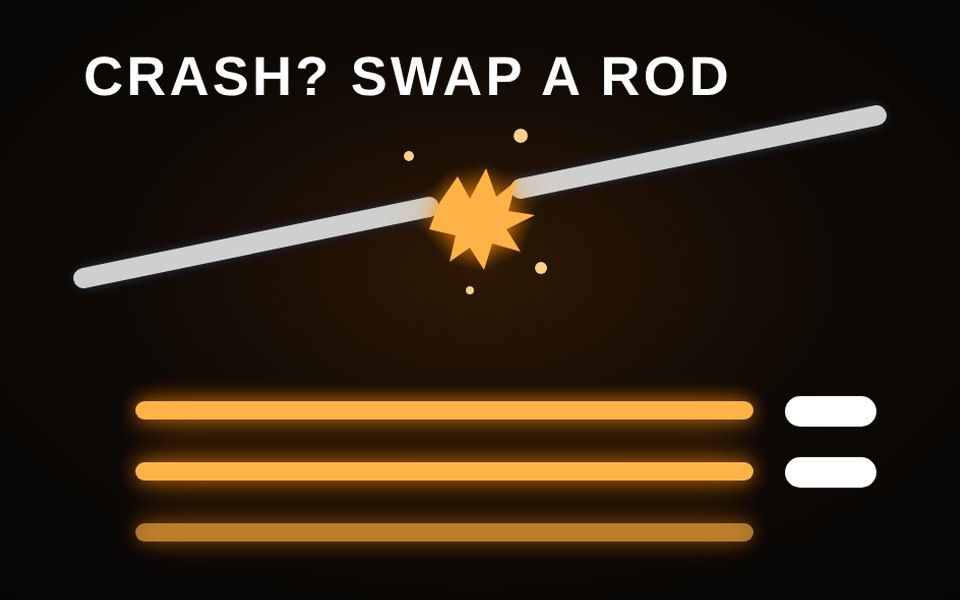
Crashes happen, especially while you’re learning, and a broken rod is the usual result.
Do you really want to pack up when the wind is perfect, just because you don’t have a spare?
Carry 2 or 3 spare rods and 2 ferrules matched to your model. Two will do; three if you want to be ready. A rod takes a minute or two to swap.
Ground stake
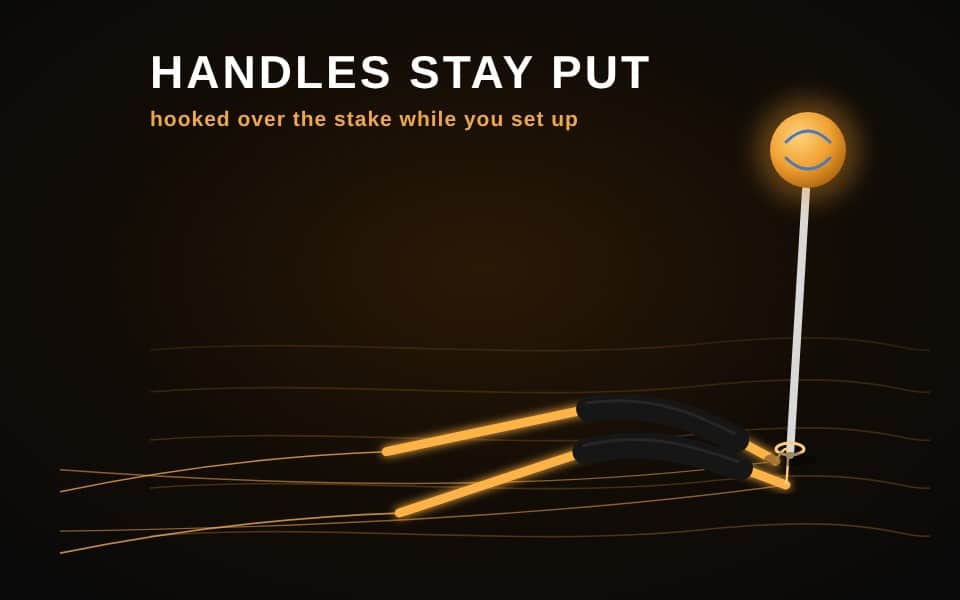
Secures your handles to the ground while you set up, walk out to launch, or take a break, so the kite never drags them away.
A stake is a bit of personal expression, too. Anything solid works, from a long screwdriver to one of our handmade epoxy art stakes.
Why 90 lb line?
90 lb: because venting keeps the pull in check, it holds up on every model, even an HV in 50 mph.
50 lb: thinner, with less drag, for the lightest winds once you have some airtime. It stretches a bit more past 75 ft, can snap if pushed past its range, and cuts more easily against another kite.
Which line length?
Longer lines give the kite more sky to cover. Shorter lines make it feel faster, because everything happens closer to you. 30 ft fits almost anywhere, but it’s too close for learning: the kite reaches the edge of the wind window before you can react. Most regular fliers end up with several lengths.
Spectra or Dyneema?
Spectra (our LaserPro Gold): very low stretch, so your inputs reach the kite right away and it feels crisp.
Dyneema: stretches a little more, and still a very good budget line.
Polyester or nylon: stretchier lines that blur every input. We don’t recommend them for quad line.
Step 6 · Get set up
Get set up
Build it yourself
Pick your kite, lines and handles, spares and a stake, and add it all to your cart in one go.
Not sure? Let us build it
Tell us where you’ll fly, your wind and your budget. We’ll put together the best setup for you: what you need, nothing padded.
Choosing a first kite is a conversation we have every week.